‘By means of a strange circulation’: the availability of Chinese objects in the 17th-century Dutch Republic
Speaker: Dr. Willemijn van Noord 方若薇, Wereld Museum – Curator China
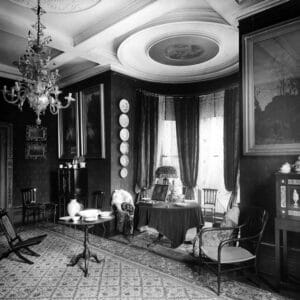
Various 17th-century European sources describe Amsterdam as ‘the warehouse of the world,’ where one could find anything rare, especially from ‘the Indies.’ Moreover, the Dutch Republic was ‘Europe’s primary entrepot’ for information about China at the time. The presence of blue-and-white porcelain, imported by the Dutch East India Company or VOC, is rather well-known. Much less is known about how exactly one could personally acquire it. Moreover, there were many more types of Chinese art and material culture available than just ceramics.
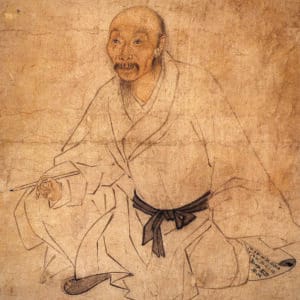
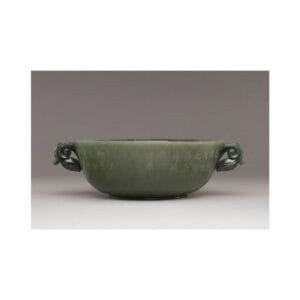
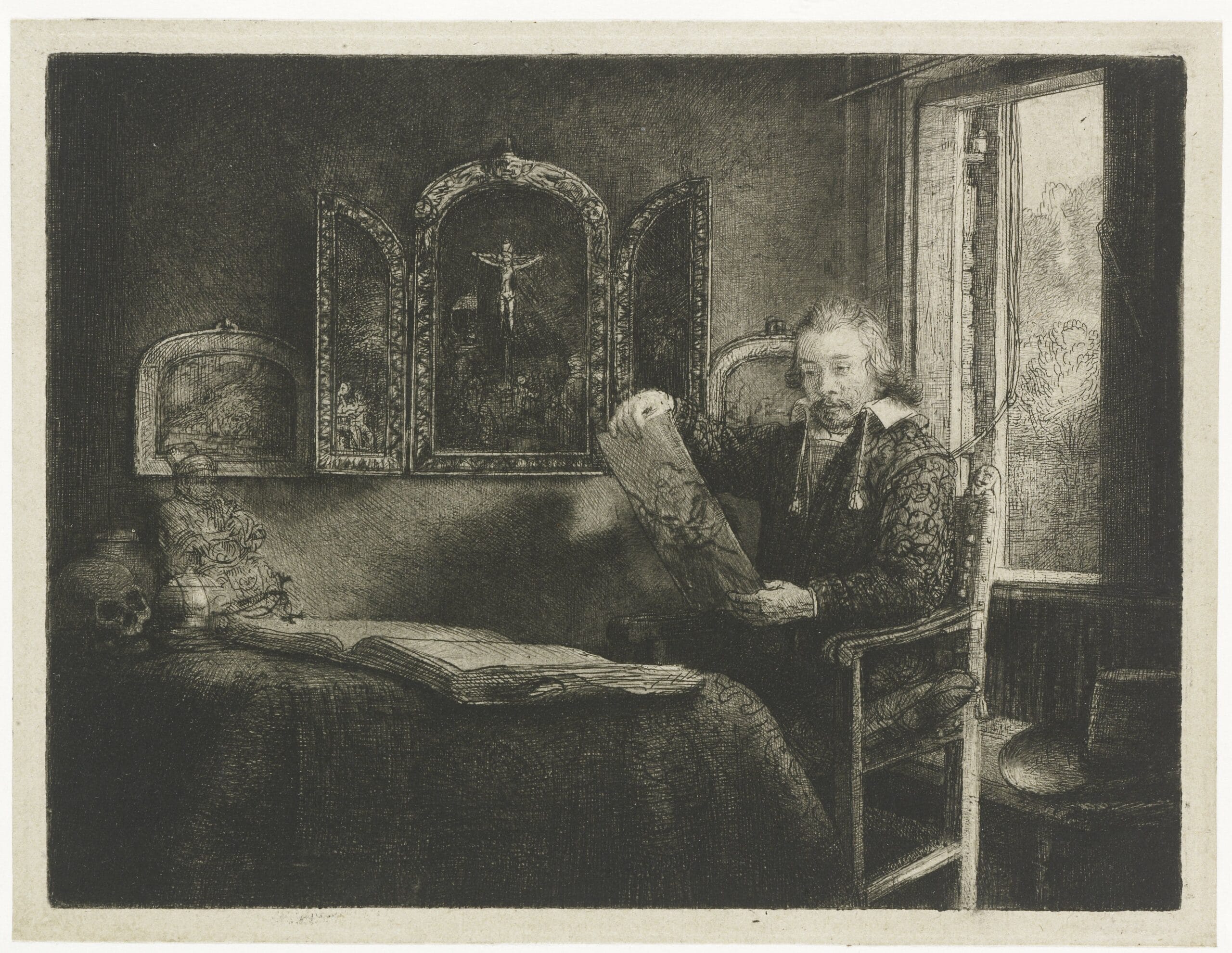
Through 17th-century sources such as correspondence, newspaper advertisements, and even an etching by Rembrandt van Rijn (1606-1669), this paper analyses the types of Chinese objects that were available in the Dutch Republic, where one could encounter and acquire them, and how they were interpreted. Ceramics were relatively easy to come by, as there were specialized porcelain shops in cities like Amsterdam, but for rarer items such as ink paintings, lacquer screens, and even a Han dynasty bronze mirror, one needed special connections within the VOC and beyond. Such rare items received mixed reviews, from ‘proof of Chinese national skill’ and objects of scholarly speculation on China’s antiquity, to mere decorative items. The unprecedented growth of the availably Chinese objects in the Dutch Republic was also met with some unease of how Holland seemed to become ‘Indian.’
Members do not need to book to attend this lecture.
5:30 pm – Society of Antiquaries opens for members’ refreshments
6:15 pm – Lecture begins
Venue Accessibility Information
The Society of Antiquaries welcomes wheelchairs and mobility vehicles however since the main entrance consists of steps they will provide a ramp. Essential companions are also welcome and Hearing Loops are built into the Lecture Room AV system. There are no designated disabled toilets but toilets are located on the ground floor.
For more information visit Accessibility.
For all other accessibility enquires contact
This lecture is sponsored by Paul Ruitenbeek Chinese Art, Amsterdam
Image: Portrait of Abraham Francen, apothecary, Rembrandt van Rijn, c. 1657, etching, dry point, on Japanese paper, 15,8 × 20,9 cm, Rijksmuseum Amsterdam
Speaker
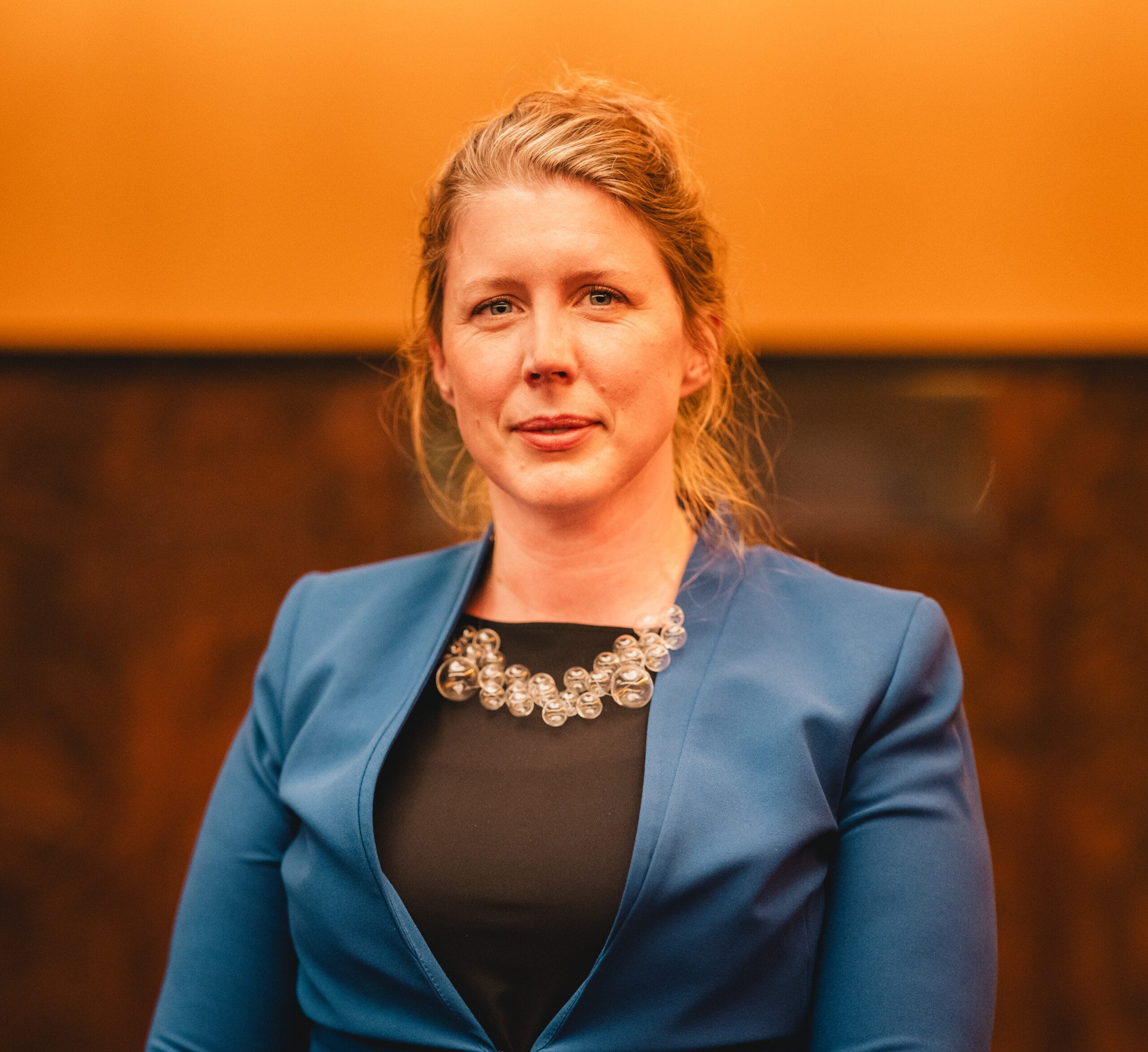 Dr. Willemijn van Noord 方若薇Curator China
Dr Willemijn van Noord is curator China at Wereldmuseum (comprising institutions formerly known as Tropenmuseum Amsterdam, Museum Volkenkunde in Leiden, and Wereldmuseum Rotterdam), where she recently curated the exhibition Made in China which is on view until August 2026. After completing her studies in archaeology and sinology at Leiden University and SOAS, she has worked as trainee-curator at the British Museum and Bristol Museum & Art Gallery, focusing on Ming dynasty (1368–1644) porcelain and Qing dynasty (1644–1911) glass and snuff-bottles. In 2024, she successfully defended her PhD thesis Materialising China: material culture and perceptions of China in the late seventeenth-century Dutch Republic at the University of Amsterdam.